The world really is different for ‘kids these days’
Carolina experts offer insight on the isolation, anxiety and resilience of today’s college students.
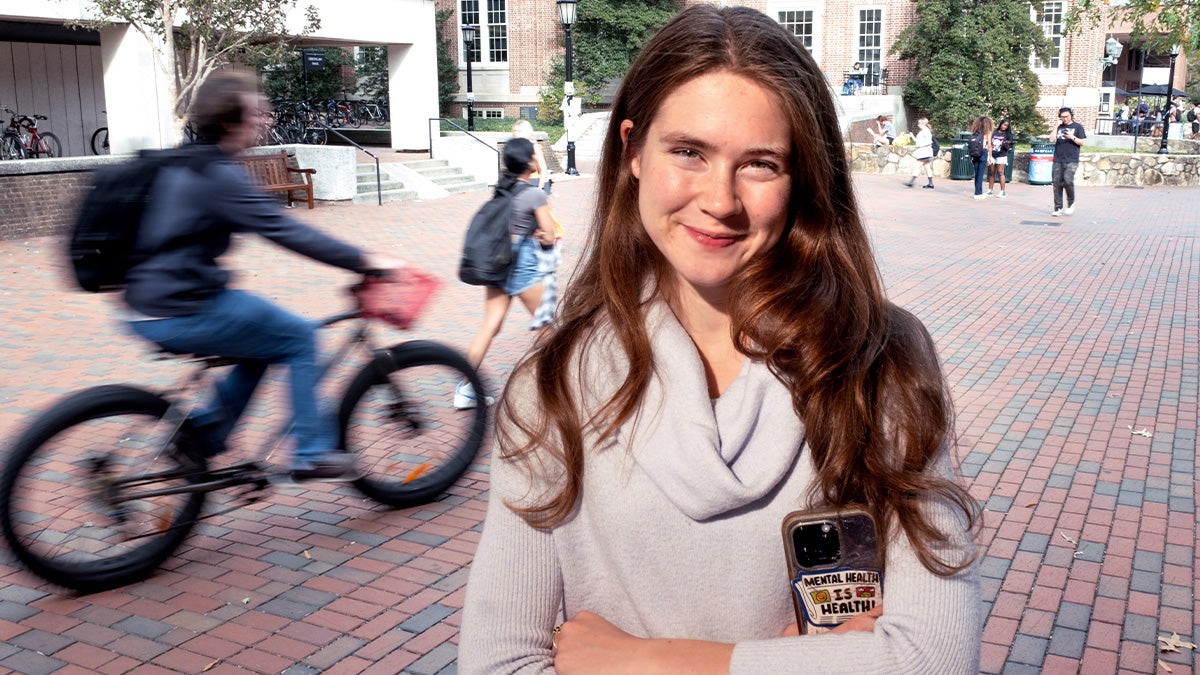
People who complain about “these kids today” often don’t take into account just how much the rapidly evolving world — from social media to climate change — affects the mindset of young people.
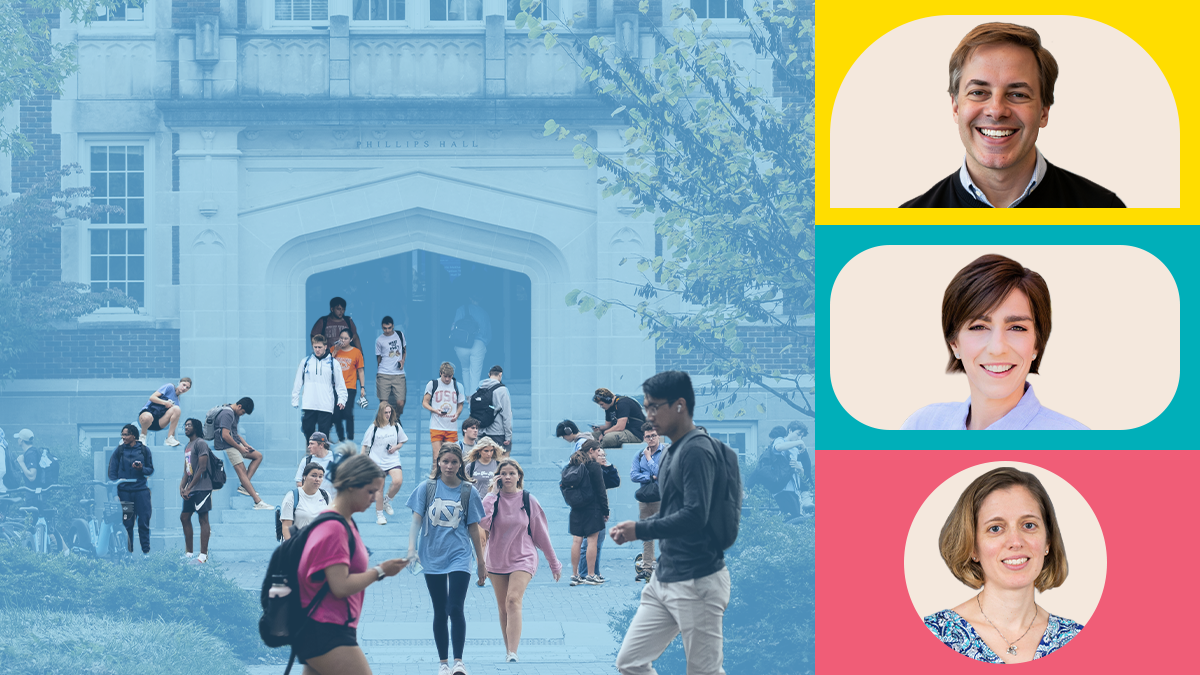
At Carolina, several faculty experts specialize in research about these topics, often studying current Tar Heel students to get an accurate picture. To understand today’s college students better, The Well asked three experts to share their insights.
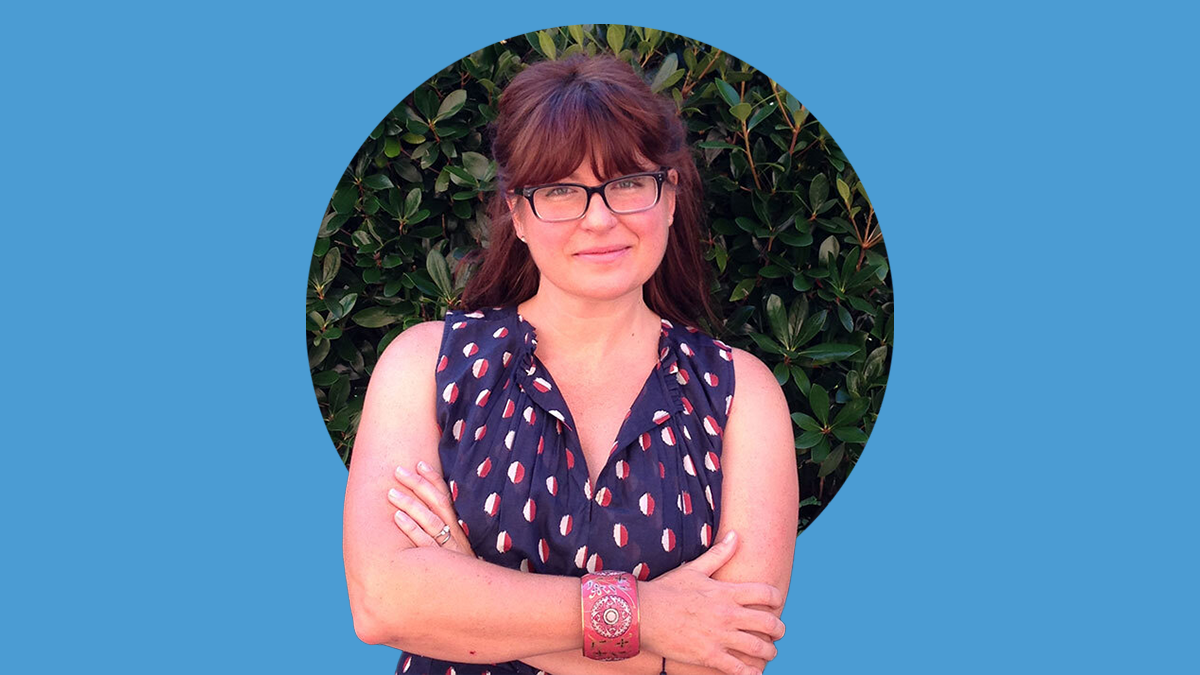
Jane Cooley Fruehwirth, economics professor and fellow at the Carolina Population Center: One of the most surprising facts from my research is how socially isolated college students feel. Even before the pandemic, close to 20% of first-year students at UNC-Chapel Hill reported that they usually or always felt socially isolated, and this was when they were on campus surrounded by hundreds of students. Our research found that the negative effects of social media use on anxiety and depression symptoms during the pandemic were concentrated in students who felt socially isolated before the pandemic. Our research also found that increases in social isolation were one of the biggest contributors to increases in anxiety and depression symptoms among college students during the pandemic.
There are so many factors that could contribute to increased feelings of isolation on campus: the pandemic, the availability of iPhones, the rise of social media, the loss of free time due to various pressures. How can we help? I’ve found college students to be incredibly resourceful partners in finding solutions.
Mitch Prinstein, co-director of the Winston Center for Technology and the Developing Mind: Adolescents spend a remarkable amount of time on screens during a period when they are supposed to be forming very sophisticated social skills and getting used to more complex relationships. As a result, some kids are having a hard time with social interactions in real life and report higher levels of social anxiety when they have to interact with somebody extemporaneously. The college years offer an excellent opportunity for kids to get back to face-to-face interaction for group-based projects and class discussions. They can also learn about the ways that technology may be changing how their brain processes social information.
Social media isn’t the sole cause of the youth mental health crisis. Data suggests that mental health difficulties are usually preceded by stress. Students say their biggest stressors are unrealistic academic pressure, fear of school shootings, climate change, and exposure to violence and degrading comments about their identity or interests. Taking these factors into account, many kids are remarkably resilient in very difficult times.
Danielle Roubinov, associate professor, clinical psychologist and director of the Foundation of Hope Child and Adolescent Mood and Anxiety Disorders Program in the UNC School of Medicine’s psychiatry department: Today’s college students are often unfairly criticized for being “too sensitive” or lacking resilience, but what we see in our research and clinical work is just the opposite. At CHAAMP, we focus on understanding and treating mood and anxiety disorders in young people. One of the most consistent themes we hear is just how deeply youth reflect on their emotional experiences, relationships and the world around them. I’ve often been struck by how insightful and emotionally attuned this generation is, especially considering the profound disruptions they have endured.
Rates of anxiety and depression have risen among youth, but this doesn’t necessarily indicate that they are fragile. Rather, it can be interpreted as a sign that they are aware. Of course, we want to be careful not to “over-pathologize” normative developmental struggles. However, many young people today are more willing to talk openly about mental health than prior generations, which is a sign of strength, not weakness. They’re seeking help, supporting each other and pushing for systems that prioritize well-being, which is something we should applaud.