Lindsey Smith Taillie to launch ‘dietitian in your pocket’
At UNC’s Eshelman Innovation Institute, the nutrition professor will commercialize Lola, an AI online grocery platform.

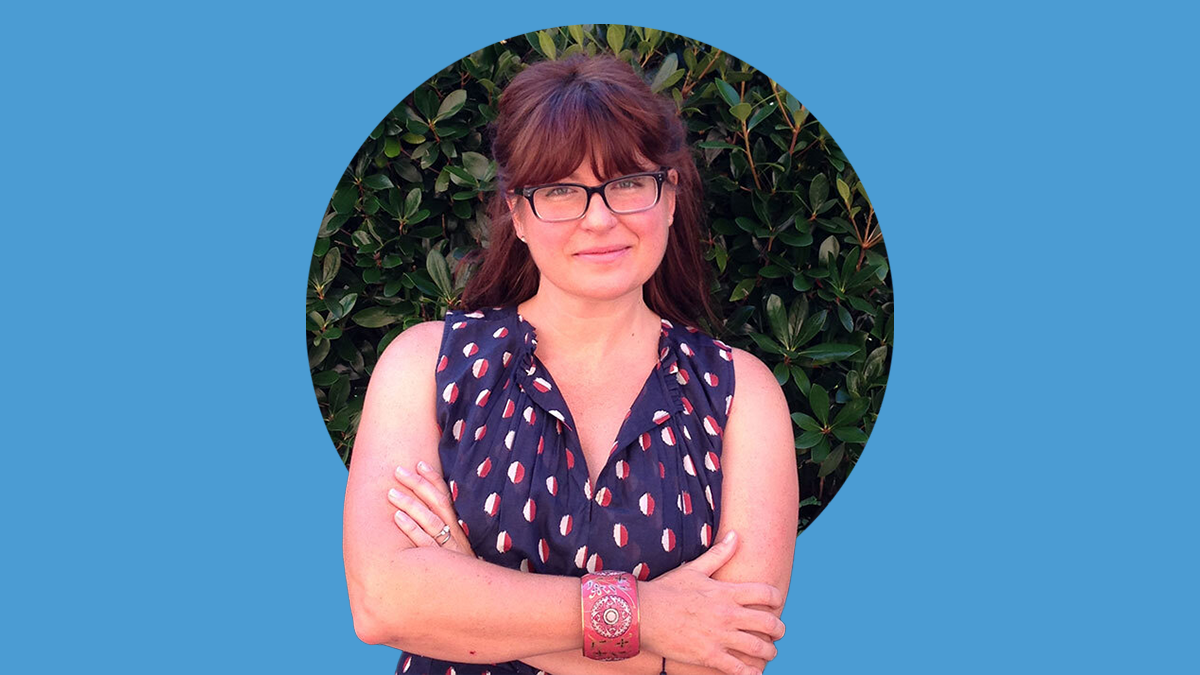
Lindsey Smith Taillie, professor of nutrition at the UNC Gillings School of Global Public Health, has been selected to join the new Kairos program at UNC’s Eshelman Innovation Institute. During the process, she will launch Lola, a personalized AI online grocery shopping technology that nudges users toward healthier and more sustainable food choices.
Lola uses artificial intelligence to tailor product suggestions based on individual preferences and goals — balancing nutrition, taste, cost and convenience. The platform’s recommendations aim to make environmentally sound, healthful shopping intuitive and accessible rather than burdensome. Unlike one-size-fits-all approaches, it adapts to each user’s context and previous purchasing behaviors, making it more likely to influence real purchasing behavior.
“For a long time, we’ve worked on ‘nudges’ to help consumers make healthier choices, but implementation in grocery stores has been limited because of the physical nature of those spaces,” Taillie says. “The combined increase in online shopping plus the powerful nature of AI to personalize recommendations opens up major opportunities to help consumers make healthy choices more easily.”
The Kairos program will support Taillie through a six-month venture sprint, pairing her with two dedicated “venture builders” (one business-oriented and one technical) to validate the problem space, develop a compelling value proposition and pilot the platform in real markets. The experience will conclude with a presentation to potential investors, partners and other developers at a Demo Day in March 2026.
The sprint will be powered by a strategic collaboration with Amazon Web Services — which provides participating teams with advanced cloud infrastructure — AI/ML services, technical mentorship, and startup credits to build and scale rapidly. This partnership gives projects like Lola a distinct edge in developing secure, scalable health solutions.
“Kairos offers an incredible opportunity to quickly learn how to translate research into real-world impact through commercialization,” Taillie said. “At the end of the day, our goal is scalability — to positively affect the most people possible. This program will allow us to act as a ‘dietitian in your pocket,’ helping us reach many more people, which is the ultimate dream for everyone working in public health.”
With the award, Taillie joins a growing group of UNC faculty innovators who are translating promising research into real-world digital health ventures. Her project, which also features the collaboration of the Center for AI in Public Health, highlights how AI and behavioral science can converge to shift food environments, moving academic insight toward measurable public health outcomes.
“A program like Kairos is exactly what we need to tackle today’s urgent public health challenges,” says Anne Glauber, director of innovation at the Gillings School. “By connecting researchers with resources in cutting-edge AI technologies and market expertise, it accelerates the path from evidence-based innovation to meaningful results.”