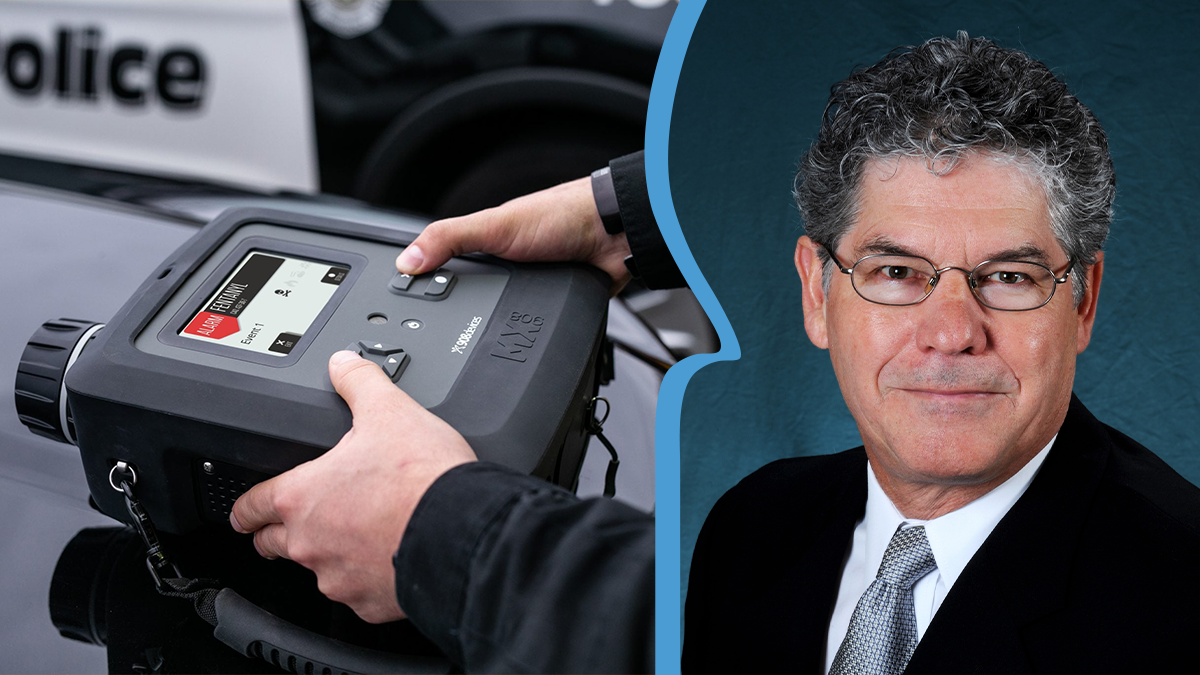
Nabarun Dasgupta analyzes street drugs to prevent overdoses
“Our goal is really science in service,” says the senior scientist at the UNC Injury Prevention Research Center.
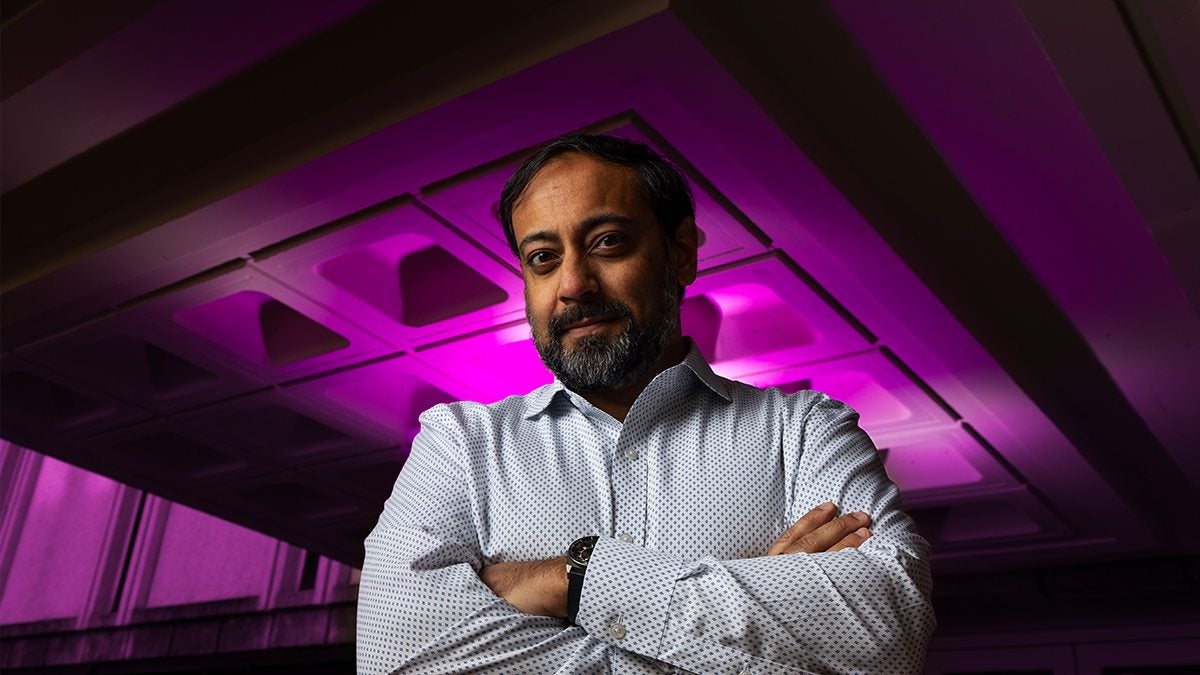
For Nabarun “Nab” Dasgupta, the real risks of drug addiction hit home when he was a master’s student at Yale University. He was working on a study on OxyContin abuse in Maine with his research partner, Tony.
“He had a lot of street experience and took me under his wing,” Dasgupta says. “He was a mentor and friend.”
In 2005, as Dasgupta was preparing to head to UNC-Chapel Hill for his doctoral program, he received one of the worst phone calls of his life. Tony had overdosed and died. He keeps Tony’s photo on his desk at the UNC Injury Prevention Research Center, where he works as a senior scientist, as a reminder of why his work is important.
Dasgupta runs the UNC Street Drug Analysis Lab, which tests street drugs from all over the country, providing reports to more than 160 programs in 43 states.
The Centers for Disease Control and Prevention reports that 100,000 people die from drug use each year, nearly half of the overdoses from deadly drug combinations.
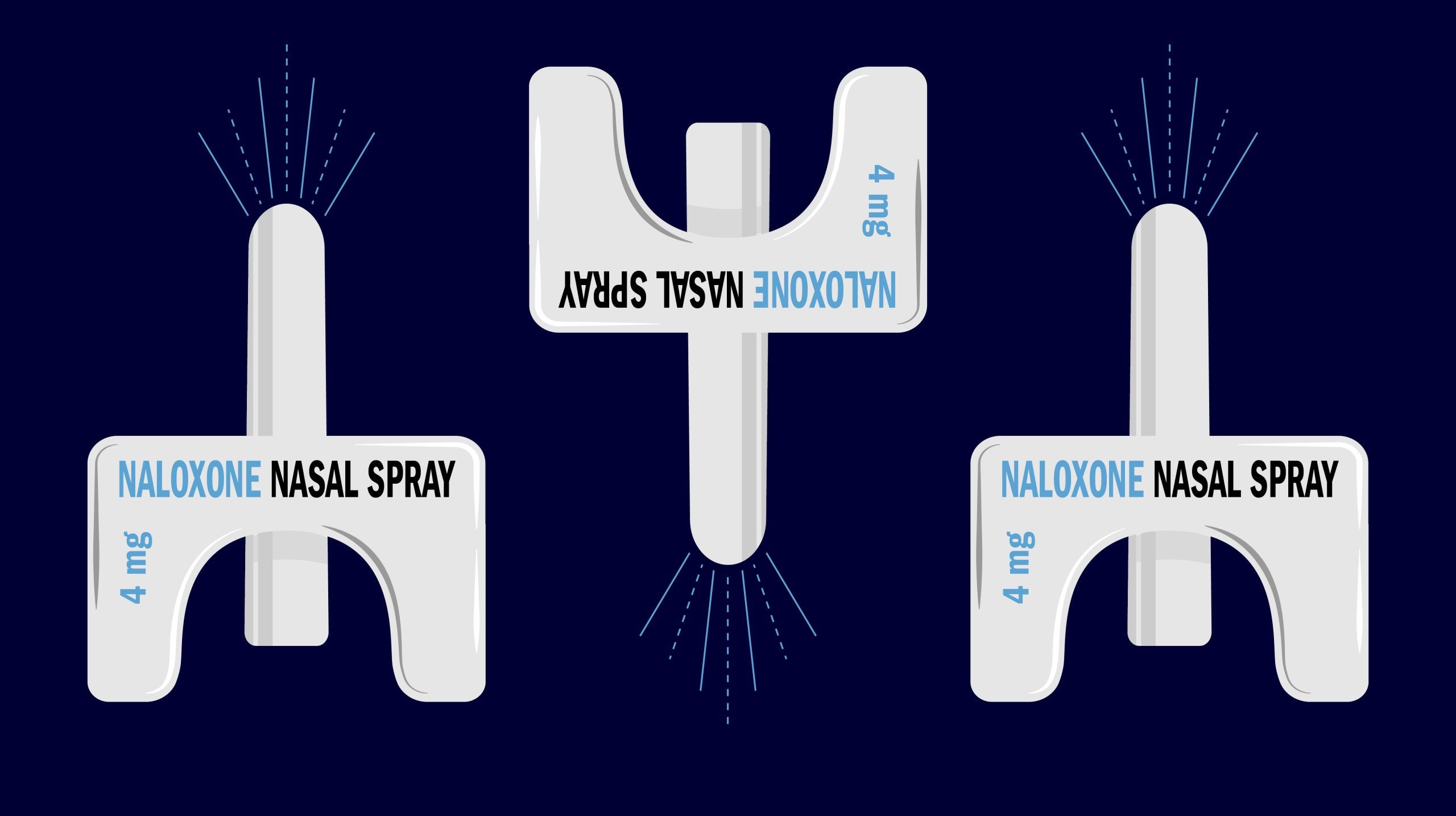
For example, xylazine — a dangerous drug found in the supply over the past decade — becomes deadly when mixed with fentanyl. Dasgupta’s lab detects these threats early, creating detailed reports for sample providers and analyzing national trends to guide harm reduction, like where to focus overdose prevention and distribute naloxone.
“Part of the reason why we started testing street drugs is because we don’t find out what’s in the drug supply until it’s too late, when people are either dead or they’re arrested,” Dasgupta says. “There’s no opportunity for prevention. There’s no opportunity for recovery. We can do better.”
This work has been recognized by North Carolina first lady Anna Stein, whose platforms include reducing stigma against people with substance use and mental health disorders. “Dr. Dasgupta’s work is founded upon the idea that all people, including people who use drugs, have lives that are worth saving,” she says. “The work of the UNC Street Drug Analysis Lab saves lives, plain and simple.”
Dasgupta is also the co-founder of a nonprofit called Remedy Alliance/For the People, which provides low-cost naloxone — the medicine that reverses overdose — to public health agencies in 42 states, Washington, D.C., and Puerto Rico. The nonprofit grew out of a program Dasgupta developed with local leaders in western North Carolina to promote the distribution of naloxone, the first in the world to use the lifesaving medicine.
“Our fundamental mission is to make our neighbors healthier,” Dasgupta says. “We want people to make better decisions about what they put in their bodies. Science can help with that. Our goal is really science in service. What we are doing here on campus has repercussions all over the country.”
Dasgupta believes his friend Tony would be proud of the work he’s accomplished.
“But we still have a long way to go,” Dasgupta says. “We’re still losing way too many people we love in North Carolina. And I think with the tools that our lab and our community partners bring to the table, we are changing what’s happening on the ground here.”