Community-based Pharmacy Residency Program marks 25 years
Pharmacy residents working in communities are like “Tar Heel footprints across the state,” says the program’s director.
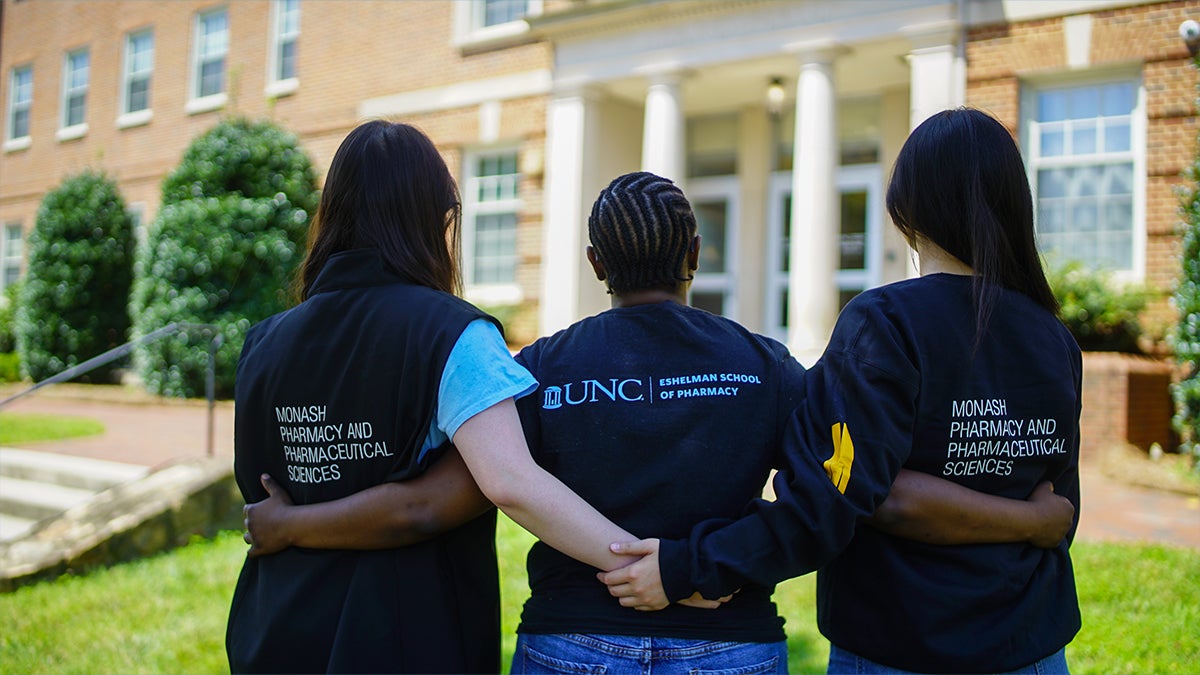
As the largest and one of the oldest pharmacy residency programs in the nation, UNC Eshelman School of Pharmacy’s Postgraduate Year One Community-based Pharmacy Residency Program focuses on advancing patient care through innovation.
The program trains the next generation of pharmacists by focusing on practice advancement and clinical education. In this partnership between the pharmacy school and premier pharmacy locations, preceptors and residents work together in community pharmacies across North Carolina.
Since about 95% of Americans live within 5 miles of a community pharmacy, each is a vital resource, especially for those in rural areas.
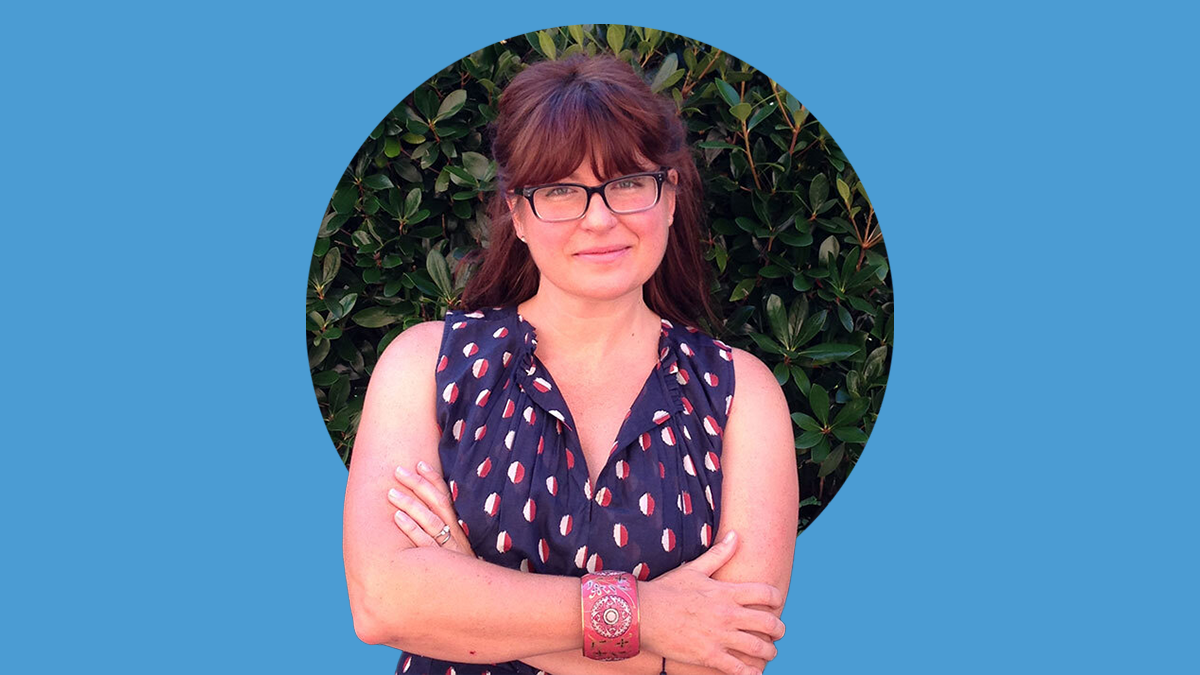
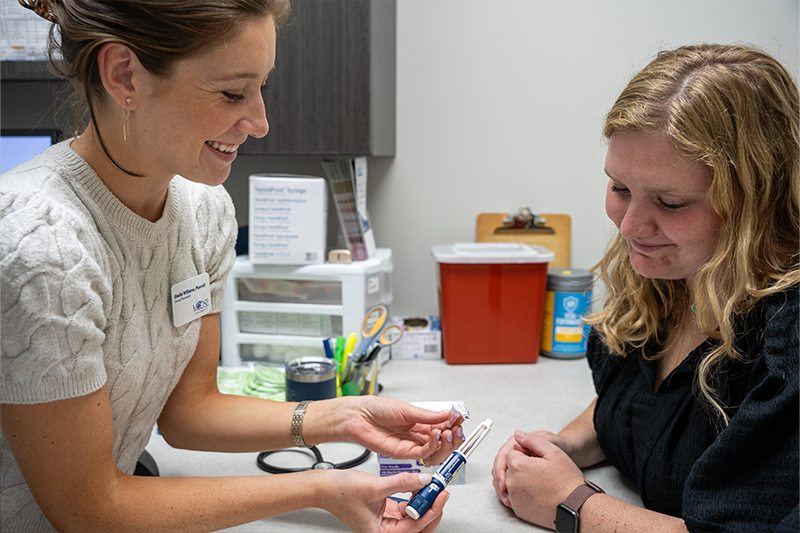
“Many of our sites are in rural counties and communities. Pharmacists are often the most accessible health care providers because consumers can walk into their pharmacy at any time and then have access to a trained professional,” said Macary Weck Marciniak ’00 (PharmD), residency program director.
(Submitted photo)
Residents are licensed pharmacists with a Doctor of Pharmacy degree. After completing the program, they can either accept a position at a clinical site or apply to another specialty program to continue their training.
The program has supported 163 residents over the past 25 years and is accredited by the American Society of Health-System Pharmacists in partnership with the American Pharmacists Association. Prospective residents apply for the program and indicate their interest in various sites, and successful candidates match with one site where they will train for a year.
The program partners with practice sites across North Carolina, where pharmacist preceptors mentor residents. The sites include independent community pharmacies, large national chain pharmacies, supermarket pharmacies and ambulatory care settings where pharmacists and patients interact with other health care providers.
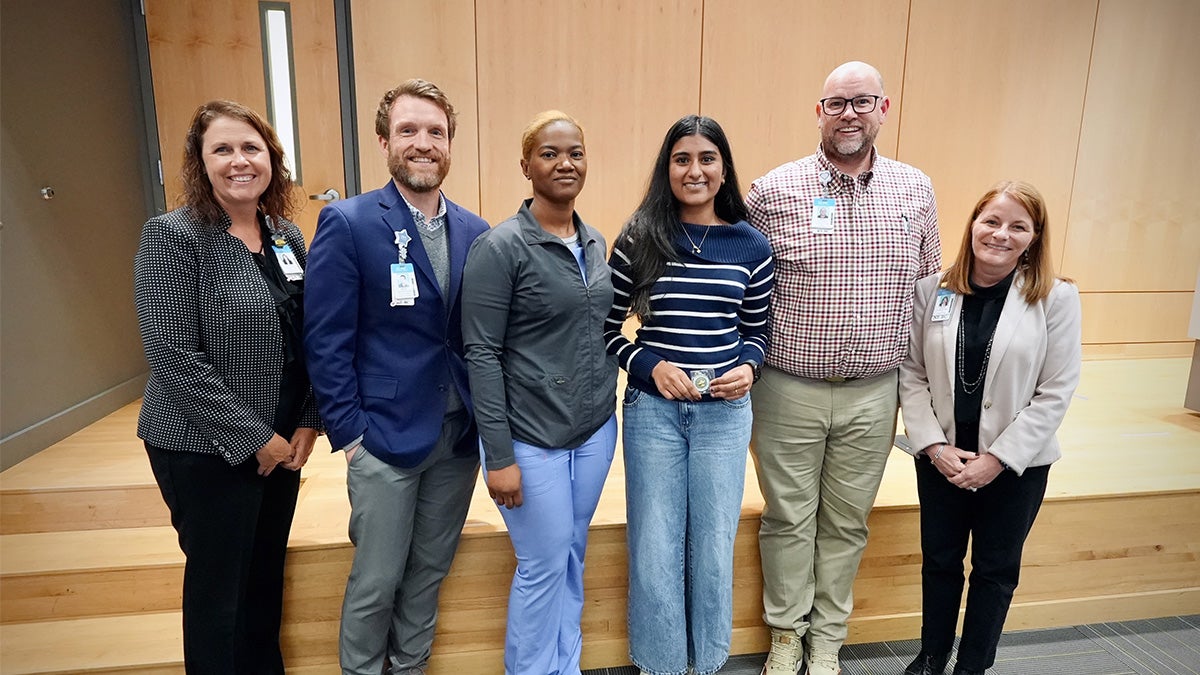
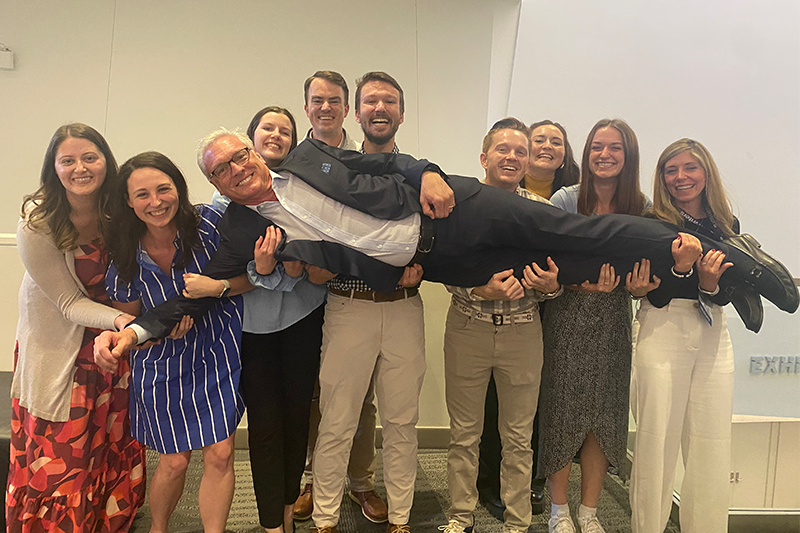
“The preceptor mentoring relationships are building diverse and meaningful experiences for our residents. At the same time, we’re building the pipeline of the workforce here in North Carolina. Right after their residency, they’re ready to step into leadership roles in their community,” said Marciniak. “I think of it as little Tar Heel footprints across the state, since we have these practice sites in western, central and eastern North Carolina.”
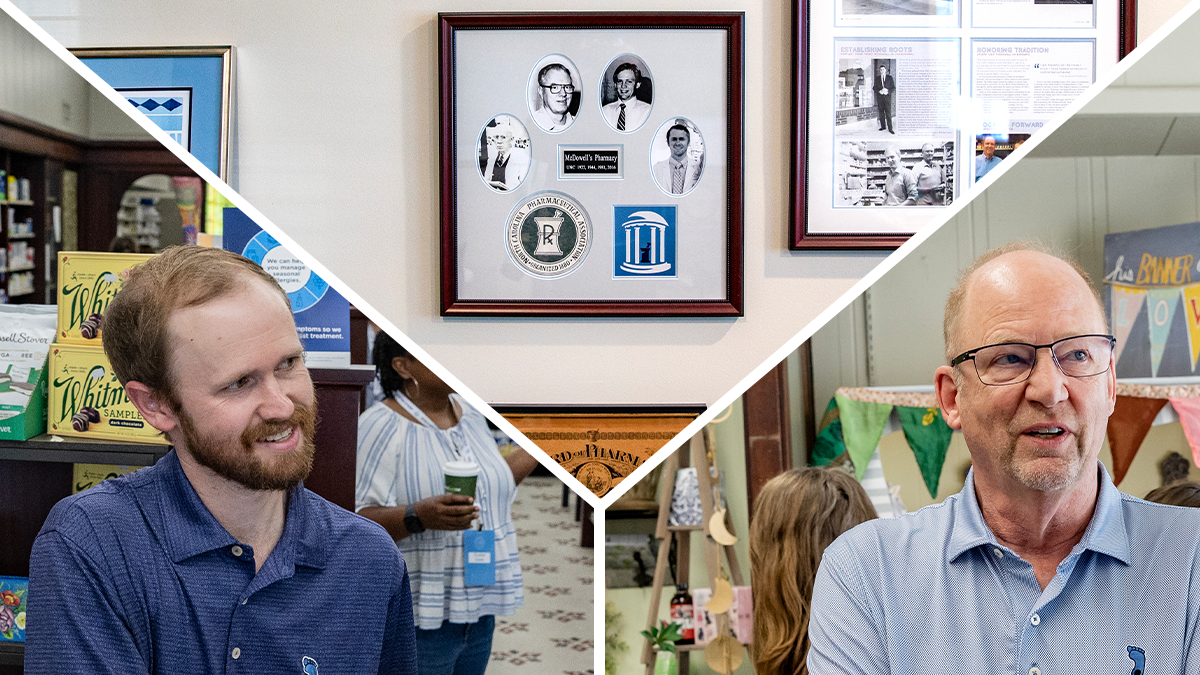
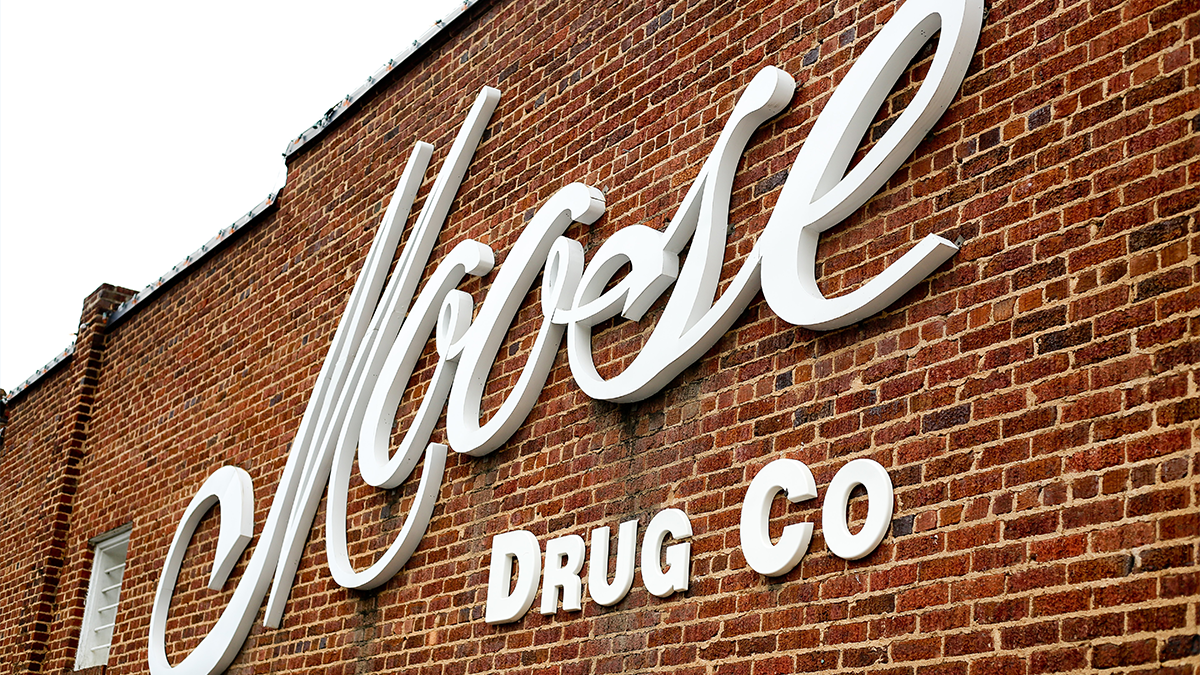
Moose Pharmacy owner Joe Moose and his father, William, approached Carolina to collaborate with the program from the beginning.
“Our proudest accomplishment is our footprint across North Carolina and nationwide. The residency program graduates are leaders all over the country and are raising the bar for pharmacy and health care in their communities,” Moose said. “I love the innovation and the fact that we get to try out new models to deliver better care. If we didn’t have those residents, it would be tougher to pull that off.”
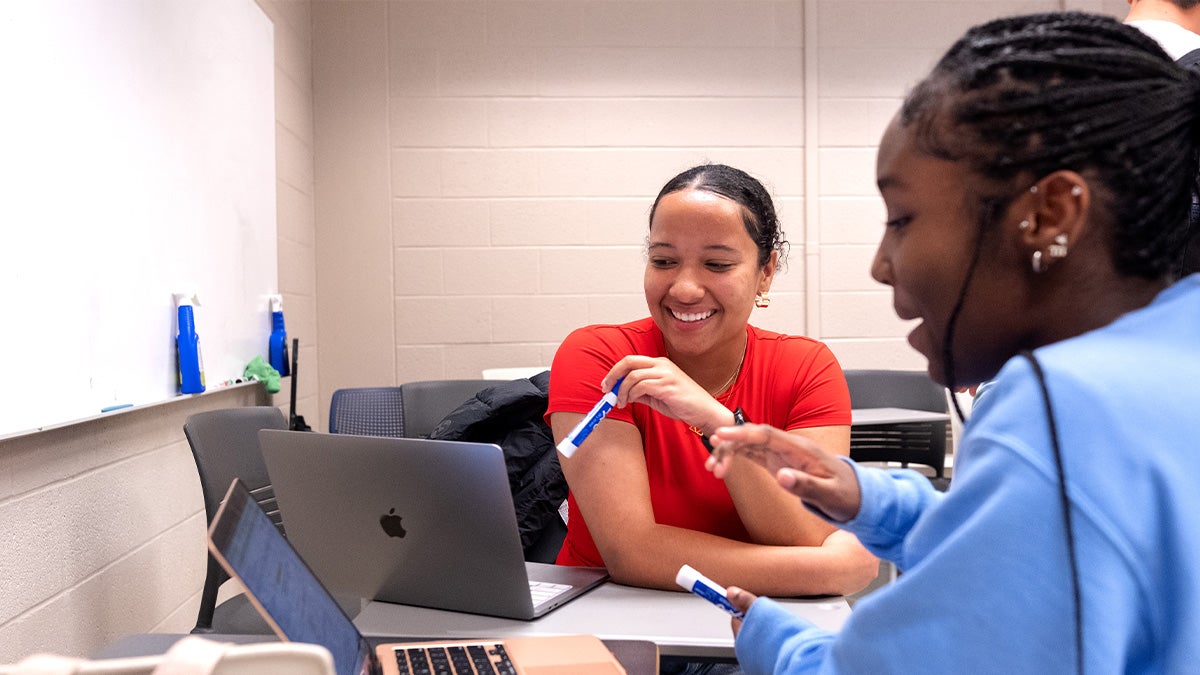
Preceptors and residents offer a variety of patient care services. Residents tackle a wide range of tasks each day — mentoring students, teaching lectures, working directly with patients and developing new programs. They administer vaccines, provide medication management services and conduct point-of-care testing for COVID-19, flu, blood pressure and blood sugar.
(Submitted photo)
“We have a phrase here, and we call it building your toolbox. Our pharmacy is a very innovative space, which means we are doing things that have never been done in a community pharmacy,” said Amie Howe ’01 (PharmD), Moose Pharmacy pharmacist and residency site coordinator for the PGY1 residency at Moose Pharmacy. “The residents play a huge role in developing those projects.”
Looking back on the program’s history, Marciniak said, “it’s amazing to say we’ve had something that stood the test of time for 25 years, with various practice partners and over 150 trainees. Our graduates are carrying forward what they’ve learned to help in every community they serve.”