Law students see veterans’ challenges on Asheville trip
Visits to a hospital, homeless shelter and courtrooms showed ways to help former service members adjust to life after the military.
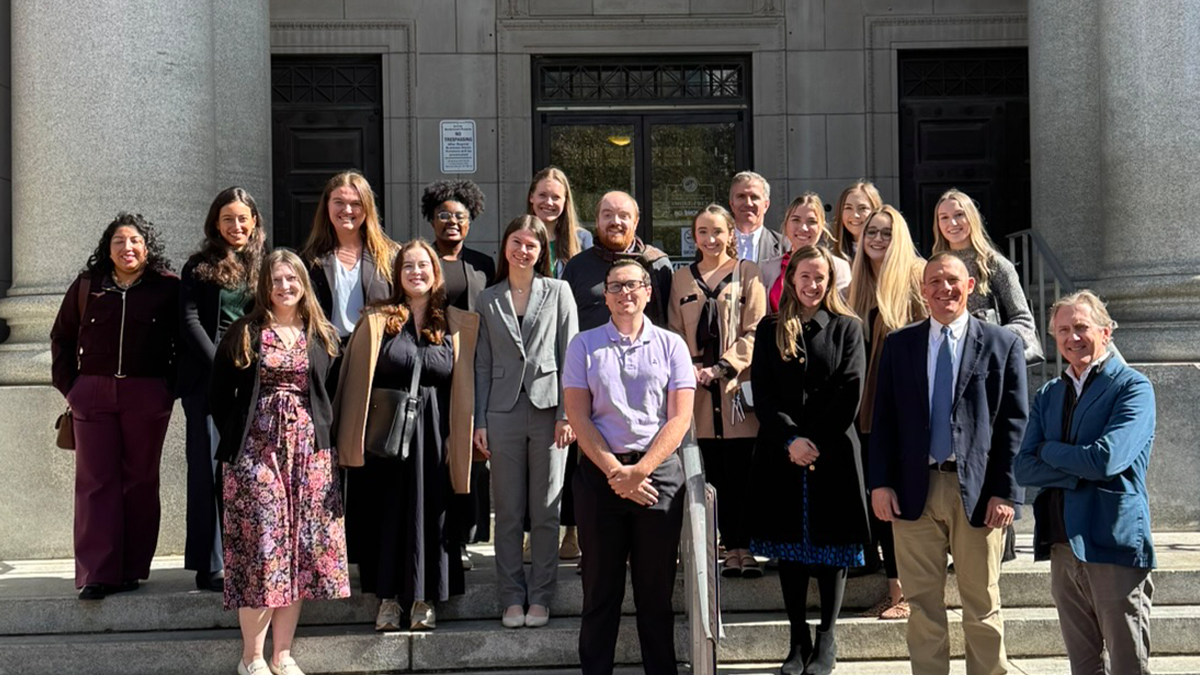
UNC School of Law students learned about the intersection between military, veterans and law on a trip to Asheville, where they assisted veterans acclimating to life after the military.
“They’re going to be more effective advocates for their current clients. And they’re going to be better North Carolinians because they’re going out to do pro bono work and help veterans,” said John Brooker ’03 (JD), Wade Edwards Term Professor of Law and director of the Military and Veterans Law Clinic. “Many students have family members or friends in the military. What these folks are doing is learning in the clinic about veterans affairs by taking it out of the book and putting it into real-life practice, which makes them more effective advocates and North Carolinians.”
Students worked with the Asheville Buncombe Community Christian Ministry, which runs the Veterans Restoration Quarters, a shelter where veterans can live rent-free for two years. The facility offers life skills and job training, three meals a day, counseling appointments, veterans affairs benefits and drug and alcohol rehabilitation.
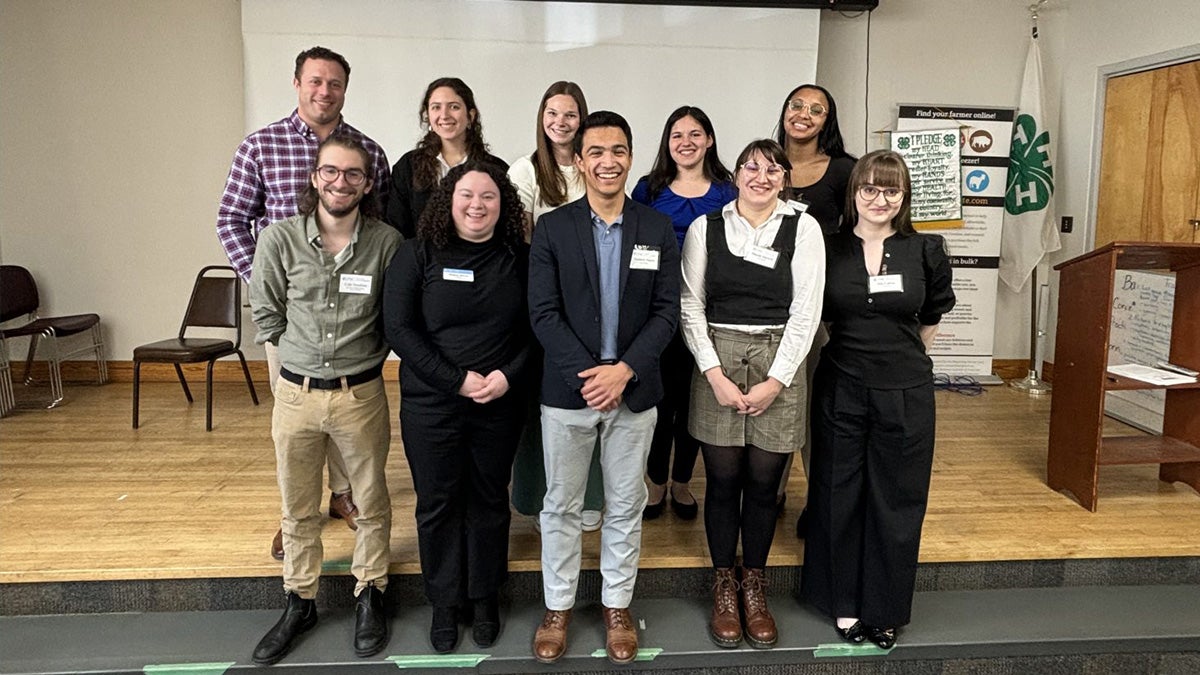
About eight Carolina students joined Wake Forest School of Law students on the visit.
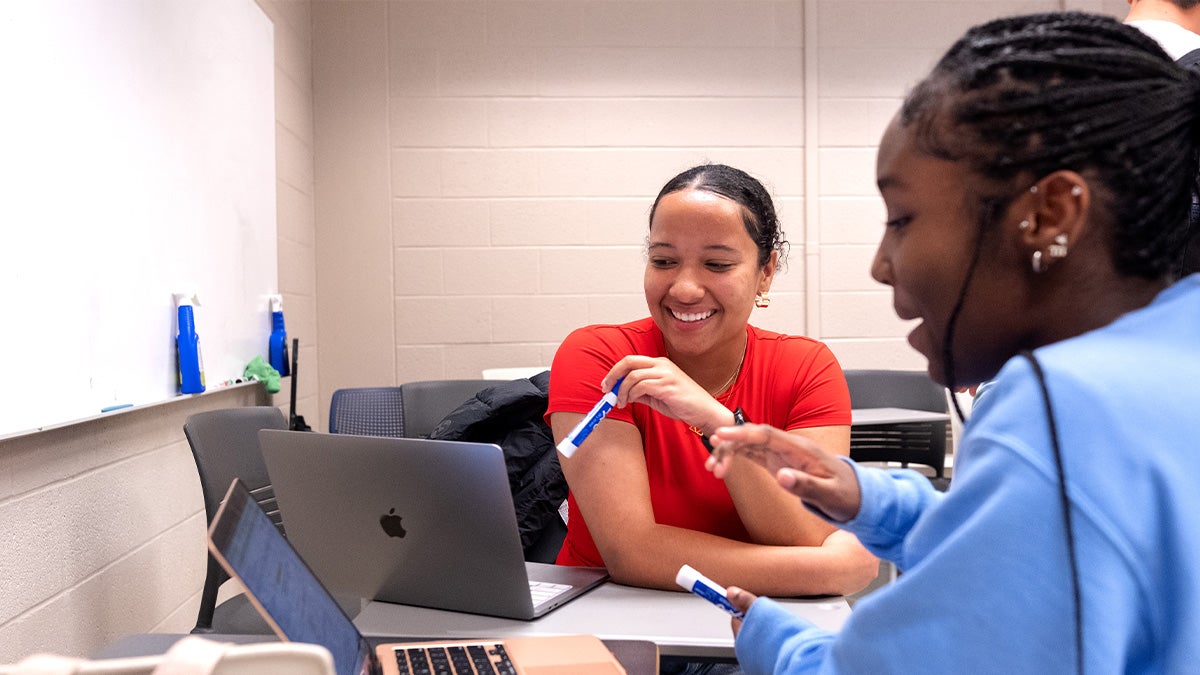
“Having a job and being fed three meals a day is what most people need to get back on their feet,” said Mya Fernandez, a third-year Carolina law student who went on the trip. “Giving people a sense of purpose and a place to stay helps the most.”
(Submitted photo)
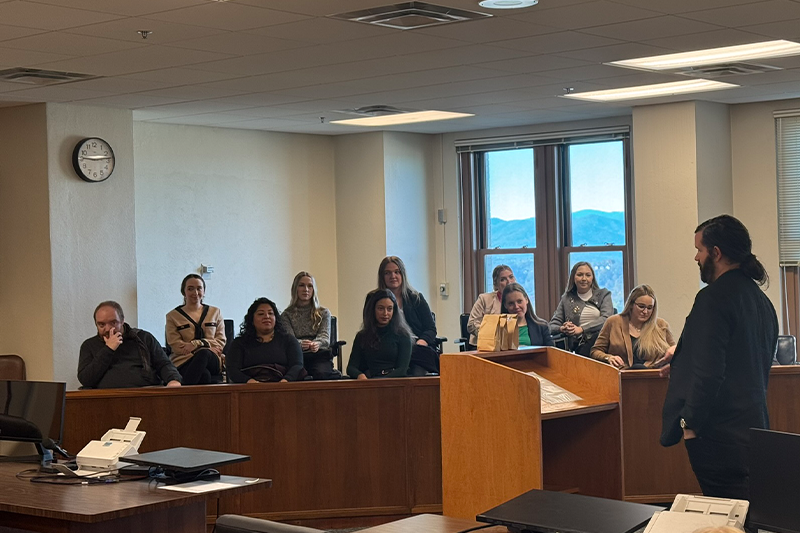
Students also met with officials from the Buncombe County Veterans Treatment court and watched proceedings in the Buncombe County Adult Drug Treatment Court to learn how to be more effective client advocates.
“They’re going to learn from real judges, court administrators, prosecutors and defense counsel in the courtroom while meeting everyone involved in the process,” said Brooker. “This helps them understand on a deeper, granular level how the process works versus just reading a conviction on paper and making a judgment based on that.”
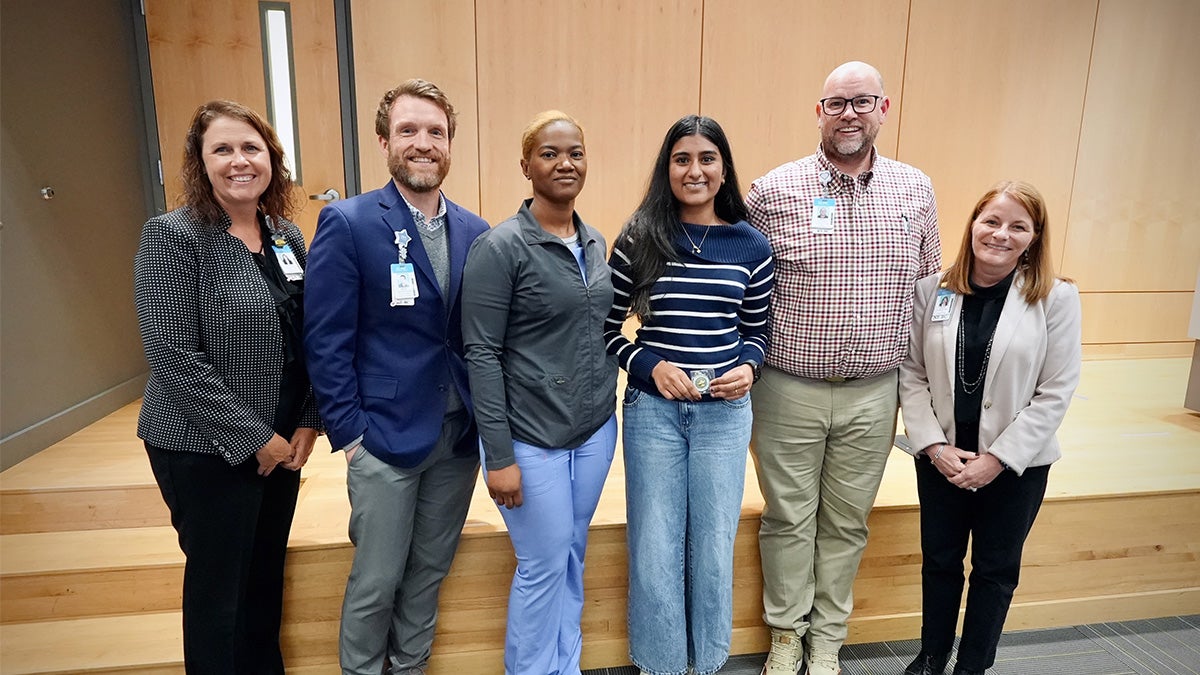
Students then toured the veterans affairs hospital in Asheville, learning about the physical and mental health challenges veterans face.
Brooker was an attorney in the U.S. Army, defending soldiers who served in Iraq and Afghanistan diagnosed with post-traumatic stress disorder and addiction. As a disabled veteran with PTSD, he now advocates for veterans facing these challenges.
“Our clients have mental health struggles, so our students are going to talk with actual providers who treat them every day and share their experiences,” Brooker said. “This helps them learn from those providers about what are the biggest challenges they face, what they’re going to learn from them, what’s the thing we can do to help the most. They build networks and relationships and learn firsthand by doing versus by reading.”
(Submitted photo)
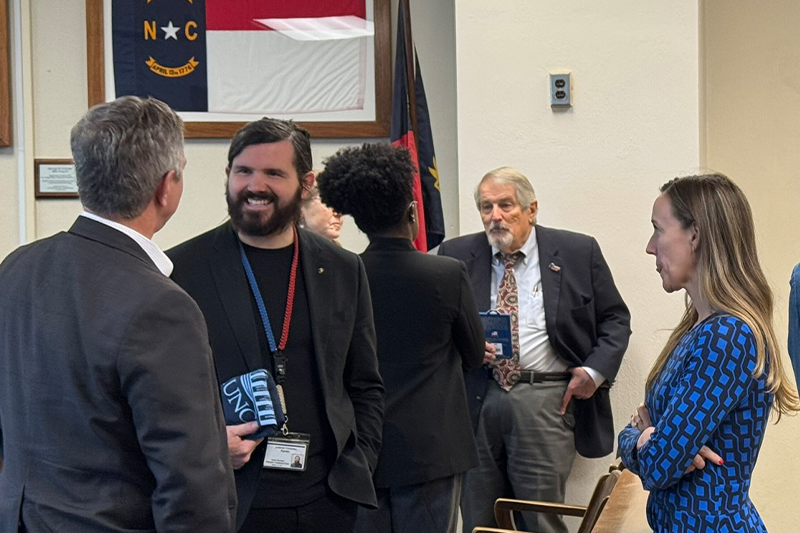
At the end of their trip, students met with law school alumni in the Asheville area and reflected on what they had learned.
“It really was an amazing opportunity to get to see the resources and people willing to help,” Fernandez said. “I had never had any experience working with veterans prior to coming to the MVLC clinic, but I’ve been able to put myself in my client’s shoes through this opportunity. If you are willing to help in any small way, I would get involved, as veterans greatly appreciate the help.”
Brooker agreed. “They can better understand what resources are out there, what their clients are going through and learn more about the intersection of addiction and criminal law. We’re getting students out of the four walls of our classrooms in Chapel Hill and seeing this happen in real life.”